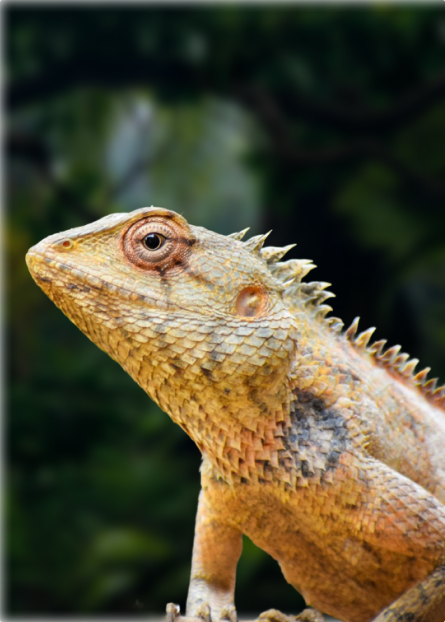
Keeping and breeding of Australian frilled lizard (Chlamydosaurus kingii Gray, 1825) at BION Terrarium Center
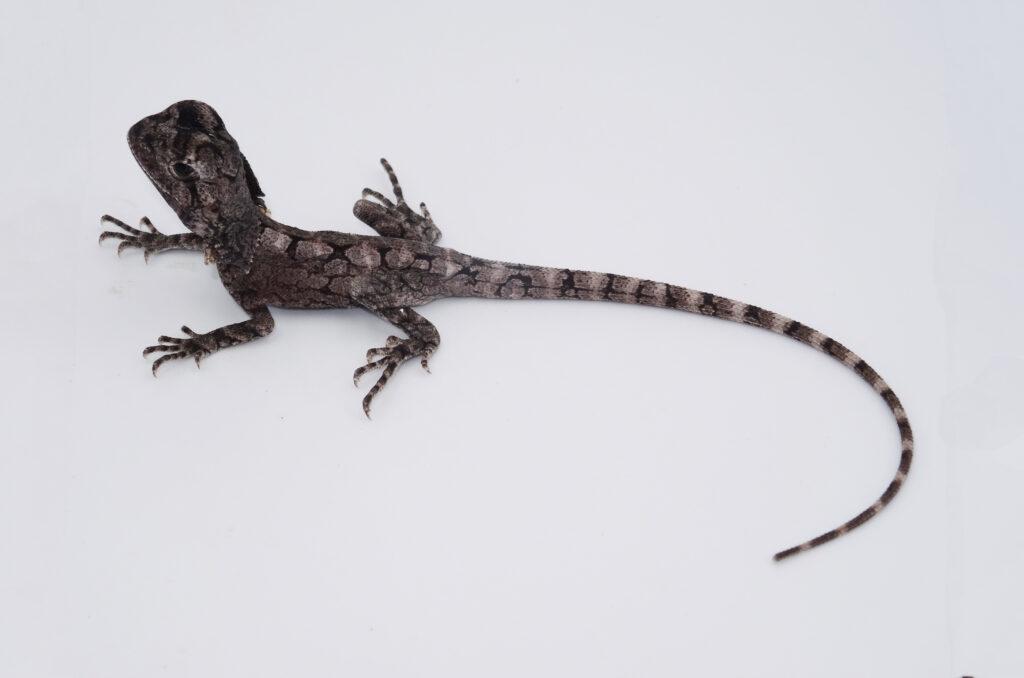
Сhlamydosaurus kingii commonly known as frilled lizards or frillneck gdragons are the most typical representatives of Australian herpetofauna (northern Australia), however they are found also in New Guinea (southern part). These lizards gained their scientific name after named after captain and admiral Philip Parker King (1791-1856), Australian-born British marine surveyor and collector. Common name comes from the large frill around the neck, which usually stays folded against the lizard’s body. However when the animal feels attacked or irritated the frill (or “collar”) is raised and dyed, showing the most remarkable colorful part of the body as a sign of aggression. If the combating doesn’t help the lizard tries to escape from the threat using its bipedal locomotion when running. The lizard also opens mouth in such cases demonstrating the teeth. C. kingii are considered arboreal species as they spend most of the time on trees, branches and trunks not far from the ground. Rarely these lizards are registered in the lower desert regions of Australia but primarily inhabit humid climates such as those in the tropical savannah woodlands (Wagner, 1980; Savage, 2001). The environment, where they are usually found includes subhumid or semi-arid grassy woodlands and dry sclerophyll forests (Wilson and Knowles, 1988).
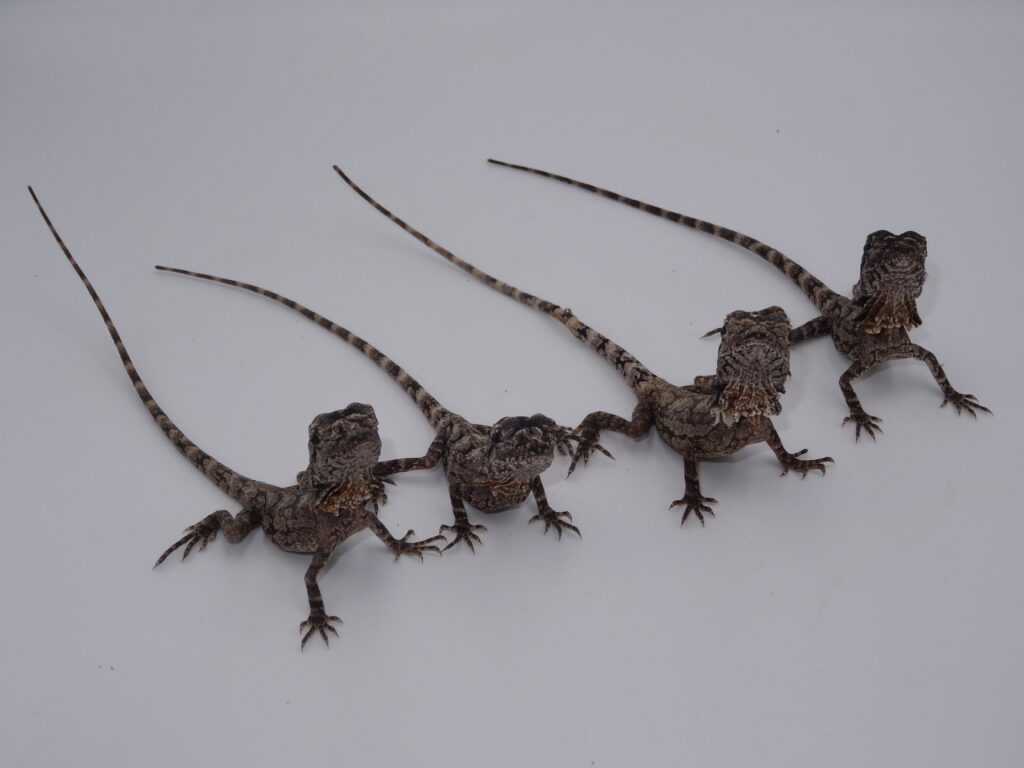
Keeping. We keep adult C. kingii in groups 1.2 or 1.3 (two males should not be kept together) in horizontal terrariums of about 180*60*60 cm (70.86*23.62*23.62 in) with proper ventilation in the front and upper sides. As the animals are young this amount of space is enough for them to feel comfortable and breed, however it is planned to transfer them to bigger vertical enclosures 150*100*200 cm (59.05*39.37*78.74 in). The equipment of the enclosure includes vertical, horizontal and angled branches, water dish, broad 10 l box filled with mix of coarse sand and coconut substrate that is moisturized frequently acting as a place for eggs laying. Females use it as a place to make clutches. Substrate – mix of coarse sand and clay.