Updates
New species described. Habitats lost and defended. Husbandry science revised. The Updates section tracks what is happening across herpetology and herpetoculture — sourced, verified, and published without commercial bias.
Conservation Genetics, Philippe de Vosjoli. Color morphs and market abundance mask a harder truth: how many captive populations could genuinely survive without new imports?
Read update
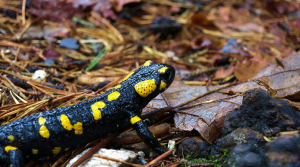
Herping Around Bukovel in the Carpathians.
Field Report, Oleksandr Shorokhov & Veronika Shevchuk. Most people know Bukovel as a ski resort. Few know it as a refugium for Carpathian newts, fire salamanders, and rare amphibians thriving in mountain fog
Read update
The Responsible Herpetoculture Journal: Strategy and Tools of a Global Media Project
Media & Publishing, Dmitri Tkachev. Four years, six continents, one Editorial Board - the publisher of RHJ on what it takes to build a global herpetoculture media project from the ground up
Read update
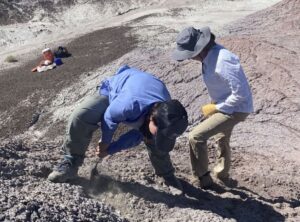
Tuning Into the Past: How Fossilized Bones Reveal the Auditory World of Early Reptiles
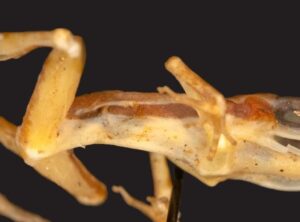
How did the ancestors of today’s lizards and snakes hear the world millions of years ago? At the Smithsonian’s National Museum of Natural History, researchers are answering this question of evolution of reptilian hearing by focusing on the smallest of details: the stapes. This tiny bone in the middle ear is the bridge between external […]
Read update
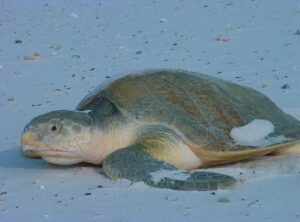
Storm Goretti’s Unexpected Guest: Rescuing an Endangered Sea Turtle from UK Shores
In the aftermath of Storm Goretti, which battered the UK coastline with record-breaking winds and surging seas, a rare and fragile survivor was discovered on a windswept beach. An endangered Kemp’s ridley sea turtle (Lepidochelys kempii)—the world’s rarest and most threatened sea turtle species—was found washed ashore, far from its typical home in the warm […]
Read update
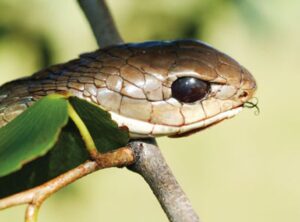
The Accidental Gardeners: How Snakes Facilitate Forest Regeneration
When we think of seed dispersal, images of birds, squirrels, or even the wind usually come to mind. However, a groundbreaking study published in Royal Society Open Science reveals an unexpected player in this ecological process: the snake. While snakes are obligate carnivores, they are increasingly being recognized as secondary seed dispersers, a role that […]
Read update
From Scales to Science: How Snake Physiology Could Cure Gout
Nature often hides solutions to human ailments in the most unexpected places. According to a fascinating study highlighted by ScienceDaily, the key to ending the excruciating pain of gout and the recurrence of kidney stones might lie in the waste-management systems of snakes. Humans suffer from gout when uric acid—a waste product in the blood—crystallizes […]
Read update
Hidden in the Karst: New Gecko Species Cnemaspis battambangensis Discovered in Cambodia
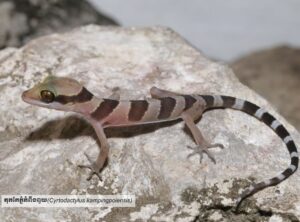
A remarkable new addition to the global reptile inventory has been officially described: the Battambang Karst Gecko (Cnemaspis battambangensis). Discovered in the rugged limestone hills of Cambodia’s Battambang Province, this small, insectivorous lizard highlights the incredible, yet fragile, biodiversity found within Southeast Asia’s isolated karst landscapes. Karst formations, often referred to as “evolutionary islands,” provide […]
Read update
A Ghost from the Past: New Poison Dart Frog Species Identified After 60 Years in Museum Archives
The herpetological community has been reminded once again that natural history museums are not merely warehouses of the past, but “biological time machines” holding yet-to-be-described species. A recent study by researchers at the Smithsonian National Museum of Natural History has officially introduced a new species of poison dart frog to the world: Excidobates talamanca. The […]
Read update
No updates match your search.