Keeping and breeding of lined leaf-tailed gecko (Uroplatus lineatus Duméril & Bibron, 1836) at BION Terrarium Center
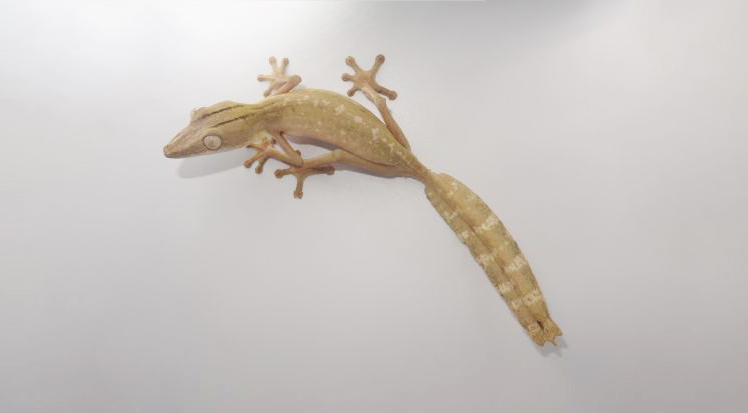
Uroplatus lineatus Duméril & Bibron, 1836 is one of biggest representatives of the Uroplatus genus. It’s common name – lined leaf-tailed gecko – was given taking into account the longitudinal stripes on the geckos body and its general physical appearance (https://en.wikipedia.org/wiki/Lined_flat-tail_gecko). These geckos are endemics of Madagascar, inhabiting its humid eastern part and the Nosy Bohara island. Their range is limited to the area between the regions of Toamasina and Maroantsetra, but they are also found in Marojejy. The air humidity in their habitats in this area east coast is high all year long (https://uroplatus.info/uroplatus-lineatus; Ratsoavina et al., 2013). They are mainly found on trees in tropical rain forests and on bamboo plants, camouflaging along the branches.
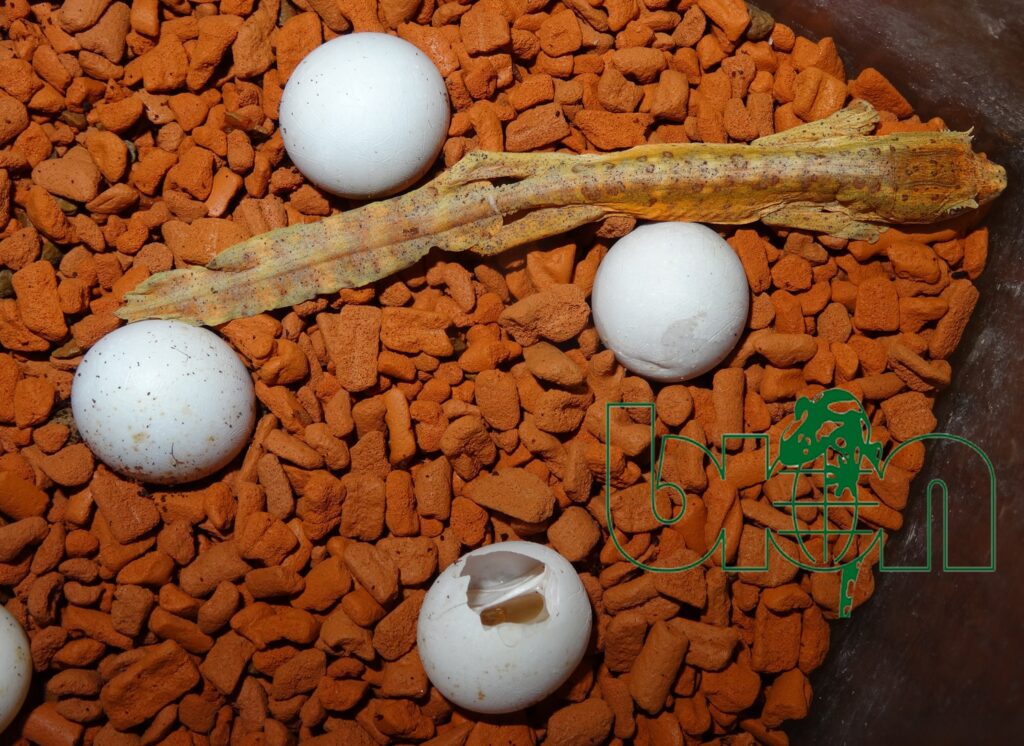
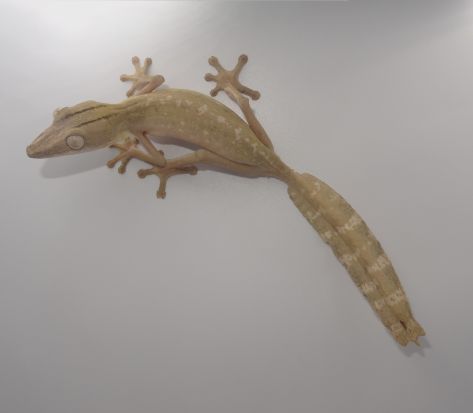
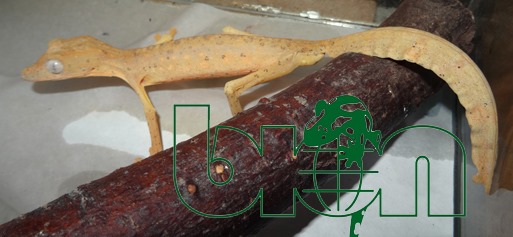
Keeping. U. lineatus will thrive in most natural vivariums, but being the larger species of Uroplatus, adults need enough room to hunt and move about. We keep our U. lineatus separately, in pairs or trios in 60*60*90 cm (23.62*23.62*35.43 in) mesh cages (breezes) or glass terrariums. These cages are upright and allow to fully express their arboreal habits. We form the decoration of the terrarium of several thick branches, pieces of bark or bamboo with hollows for eggs’ laying, moist chamber of 15 l box filled with coconut substrate, artificial plants or mix of long-leaved living foliage. U. lineatus usually drink from the leaves of sprayed plants, however we provide water dish on a regular base. According to our friend, Michael Clark, Dracaena fragrant ‘Massangeana’, commonly referred to as ‘Cornflower’, is great for U. lineatus enclosures as they will use the long leaves for drinking and sleeping and females will use the small bowl that the center of the plant to lay their eggs. During the day, they will sleep on exposed leaves and sometimes on the stem of the plant. It is a very woody species, so it is necessary to have upright branches/trunks about 6-9 cm (2-3 inches) in diameter. We use paper instead of substrate.