Keeping and breeding of robust forest bavayia (Bavayia robustaWright, Bauer, & Sadlier, 2000) at BION Terrarium Center
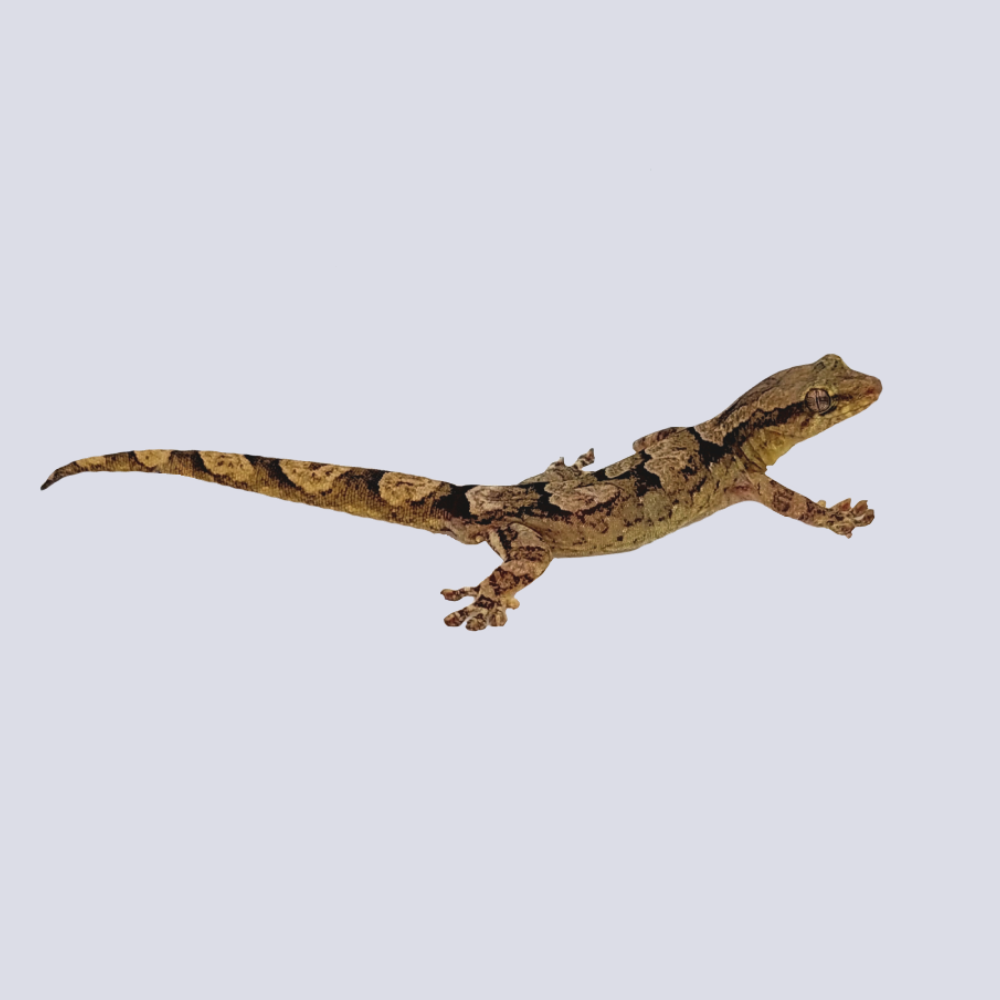
Bavayia robusta Wright, Bauer, & Sadlier, 2000 is a species of small-sized arboreal geckos of the Diplodactylidae family. However, it should be noted, that B. robusta is the largest species within the genus. The species is named after the latin word for strong and powerful. This species is endemic to Grande Terre and Île des Pins in New Caledonia. These geckos lead an arboreal lifestyle on low-growing trees and shrubs, hiding in hollows and irregularities in the bark, sometimes in fallen leaves under trees and at the base of the roots. The body length of the gecko reaches 80-100 mm (3.15-3.93 in), with a thick body and a tail that makes up 50% of the total length of the animal. Finger tips are moderately wide. The background coloration is dark brown, color pattern on the upper body usually consists of 4-5 light-brown spots, with dark edges underneath. The ventral part is yellowish. A distinctive and attractive feature is the large, massive head of adult individuals. Adult males can reach weight of 35 g. Males have clearly visible hemipenal bumps at the base of the tail, while females do not. Females are also slightly smaller in size than males. Presence of the hemipenal bulges can be usually seen at the age of 4-5 months.
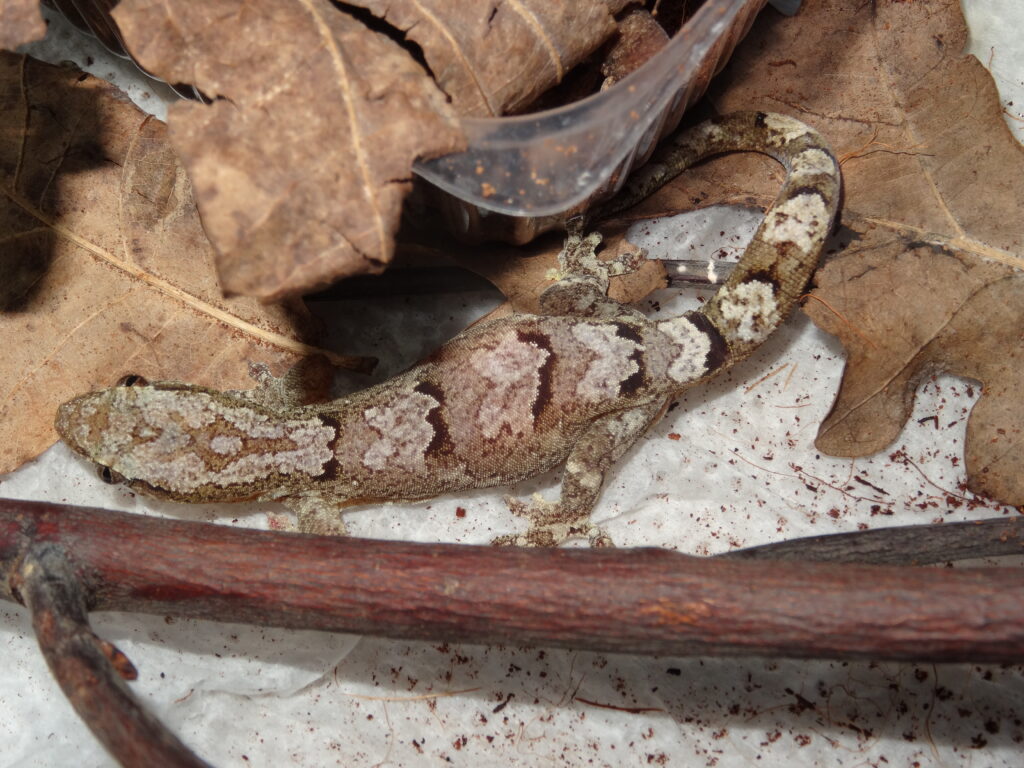
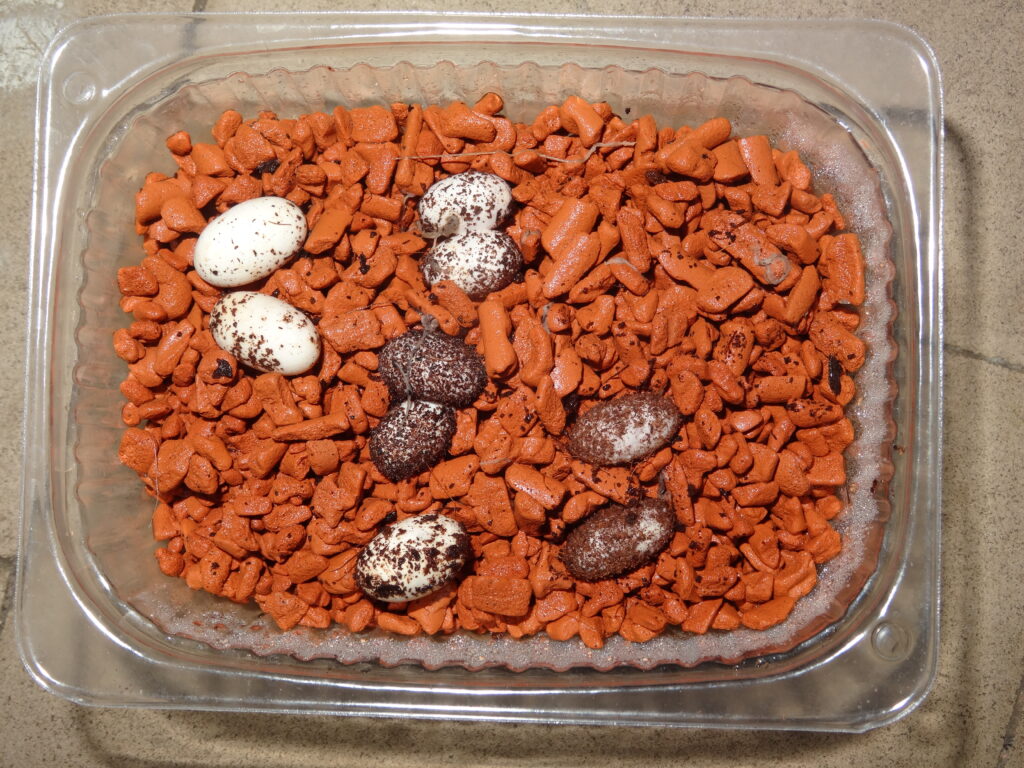
Keeping. B. robusta does not have strict housing, temperature, humidity or feeding requirements. They require a little more effort to be kept properly than other New Caledonian geckos, but nothing that is beyond the average keeper. Adults can easily be housed in 30x30x45 cm (11.81×11.81×17.71 in) or 5 L containers singly or in pairs. It is important to monitor the condition of the females, since the courtship of males can be quite aggressive until the death of the female. If you don’t plant them in time. The volume must have good lateral ventilation and ventilation in the lid (ideally made of wire mesh). Babies and young animals are kept in plastic boxes or small glass terrariums. Adult males are likely to fight if kept together, so make sure you only have one male in the enclosure. The most important aspect of keeping them is that they should have plenty of vines, branches or plants with a diameter small enough for them to fully grasp. They also happily hide under pieces of bark or in artificial shelters. The ovipositor with coconut substrate serves as a humidity chamber. Several dry oak leaves can be added as side decoration, which will make the life of the geckos more comfortable.