Keeping and Breeding of Henkel’s Leaf-Tailed Gecko (Uroplatus henkeli (Böhme, 1990)) at BION Terrarium Center
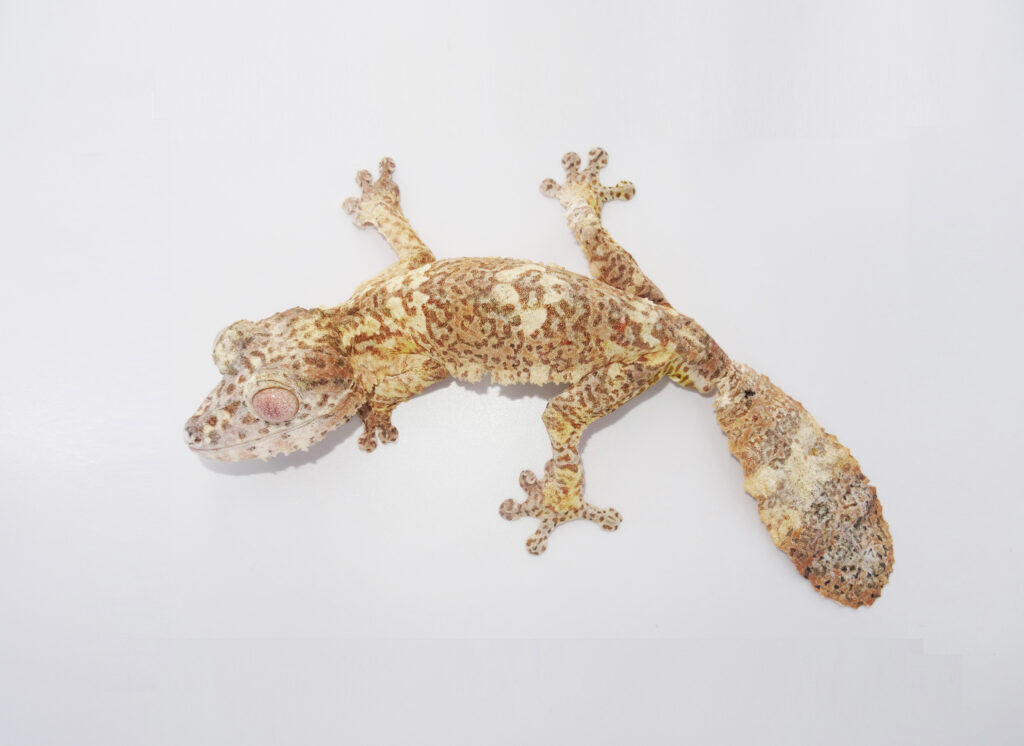
BION Terrarium Center has many years of experience in keeping Henkel’s leaf-tailed gecko (Uroplatus henkeli (Böhme, 1990).
Henkel’s leaf-tailed gecko (Uroplatus henkeli (Böhme, 1990) is one of the biggest species of the genus. Its SVL is 120–190 mm (4.72–7.48 in), TL is 70–100 mm (2.75–3.94 in) (total length 260–290 mm (10.23–11.41 in).
Juveniles have total length of about 85–90 mm (3.35–3.54 in). The overall build of these animals is rather flattened. Head is comparatively large and flattened and terminates in a long, pointed snout.
Average number of supralabial scales is 28–40 (Angel, 1942). Females are larger than males. Males are easy to sex thanks to their hemipenal bulges (Svatek, van Duin, 2001; Gehring, 2020).
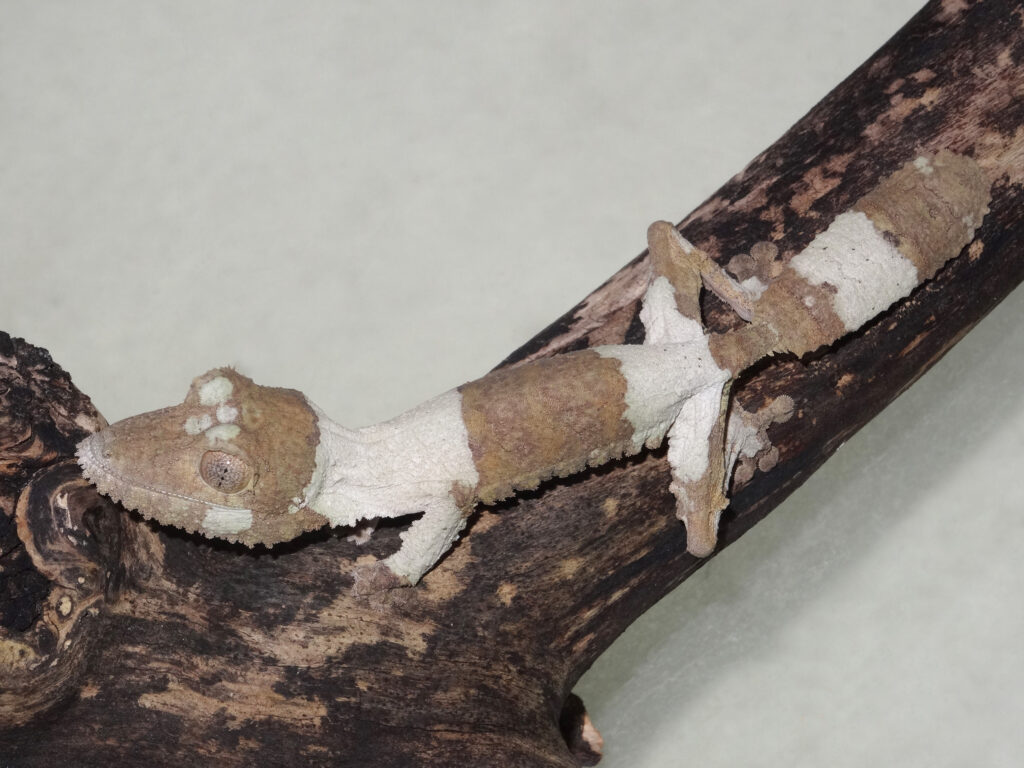
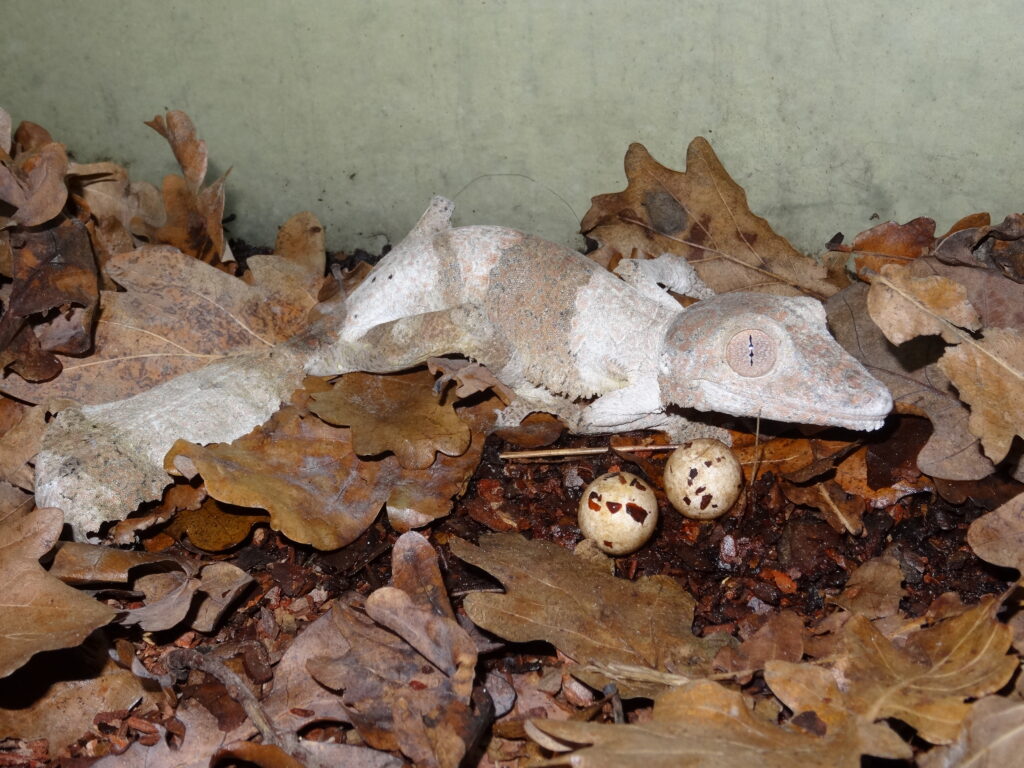
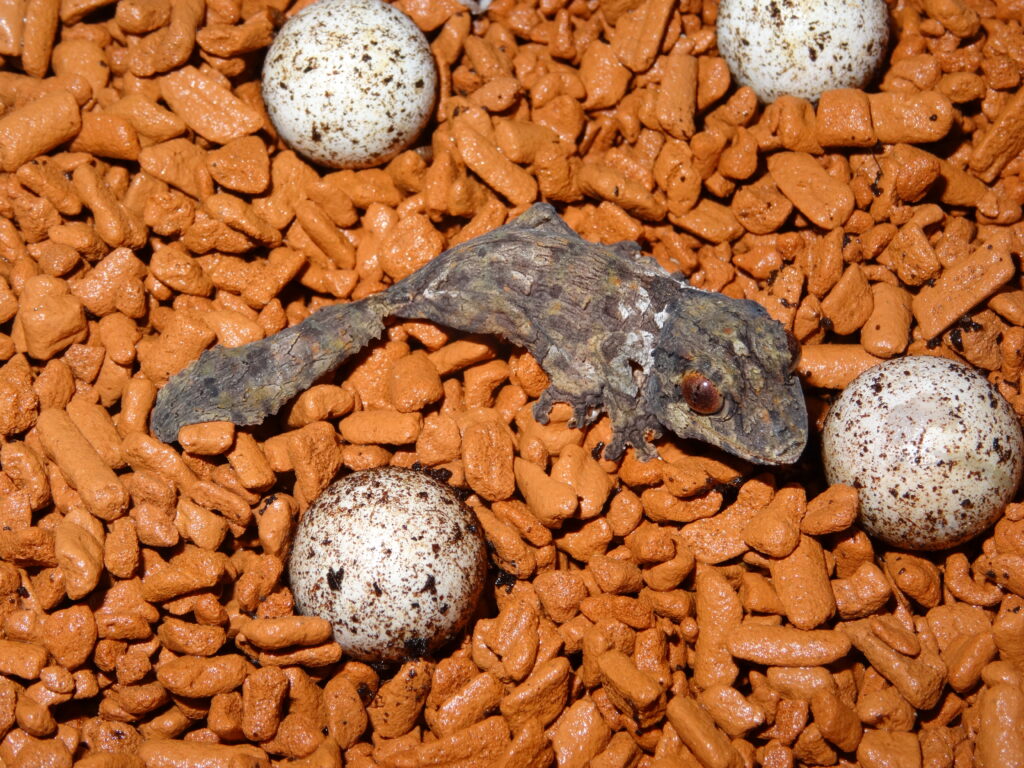
They have adapted very well to their natural surroundings and the secret lifestyle. A dermal fringe runs the length of their bodies alongside of their lowers jaws giving them what appears to be a “beard”. This “beard” masks the edge of the gecko’s body making it completely invisible while sitting silently on a tree trunk or a branch.
They are highly variable in patterning and coloration. Even individuals from different locations can have a very different color and/or pattern. It is suggested that Ur. henkeli is a complex including various species (pls visit http://uroplatus.info/archives/54).
However this suggestion is still discussable and U. henkeli is still monolithic species. The background color of the species is a light brown with a faint pattern of speckling. Animals can be seen with a lot more melanin or be very blotchy with all kinds of brown and yellowish shades to match the bark of the trees they hide on.
There are also a lot of individuals with a lot of white or black speckles, especially on their head. Those specimens that demonstrate wide white crossbands along the body are called “piebalds” or “piebs”. A piebald or pied animal is one that has a pattern of unpigmented spots (white) on a pigmented background of hair, feathers or scales (https://en.wikipedia.org/wiki/Piebald).
Animals of such piebald morph are of high value among hobbyists and tend to be the most desirable individuals of the species in the international reptiles’ market. We call the morph with deep brown or orange speckles, spinal lines or chocolate spots—”color” morph. These geckos change their coloration depending on the part of the day.
At daytime they imitate pieces of bark on tree trunks. But they show extremely contrast patterns at night. Even their eyes become orange or red in the dark.
Keeping. We keep adults in pairs or separately at 75*70*45cm (29,5*27,5*17,7 in) terrariums. Babies are kept at terrariums or plastic lunch boxes of 25*25*25 cm (5,9*5,9*5,9 in).
The decoration of the terrarium includes horizontal and vertical thin branches, lianas and living or artificial plants. Substrate–crushed small pieces of bark with layer of dry oak leaves. Paper towel with a box of wet coconut substrate as moist chamber is also an option. Water dish is obligatory.