RHF Library
The full library behind A Journal on Herpetoculture, Herpetology and Herping – every RH Journal issue, special edition and book gathered in one searchable knowledge base. This is where the archive stops being a catalog and starts being a tool.
The Complete Herpetoculture Journal Archive and More
Most knowledge produced by the herpetological world ends up in one of three places:
- Paywalled academic journals that practitioners rarely read
- Scattered forum posts that disappear when the platform changes
- The memory of experienced keepers who never found a reason to write it down
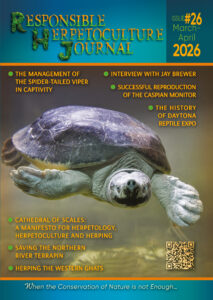
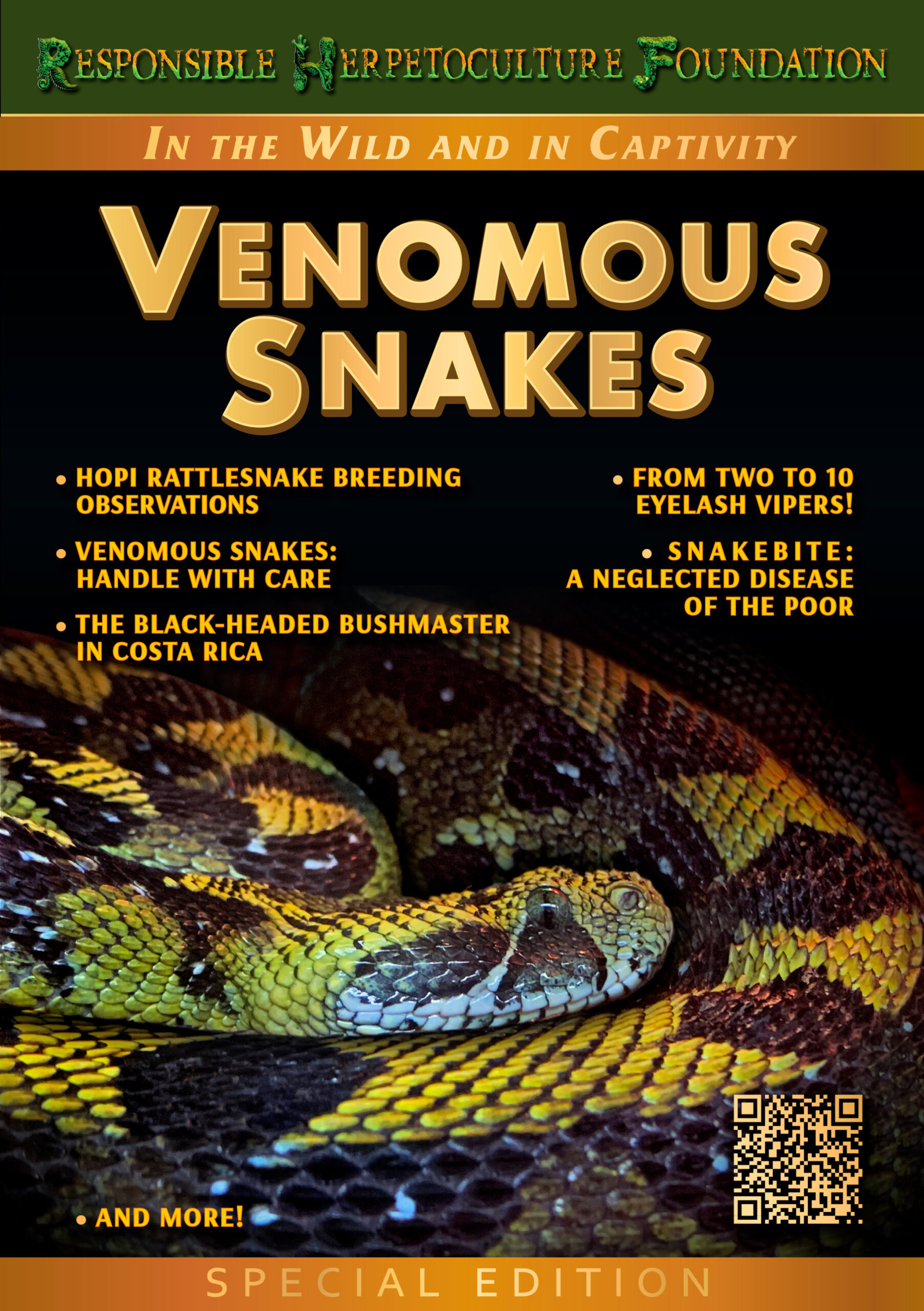
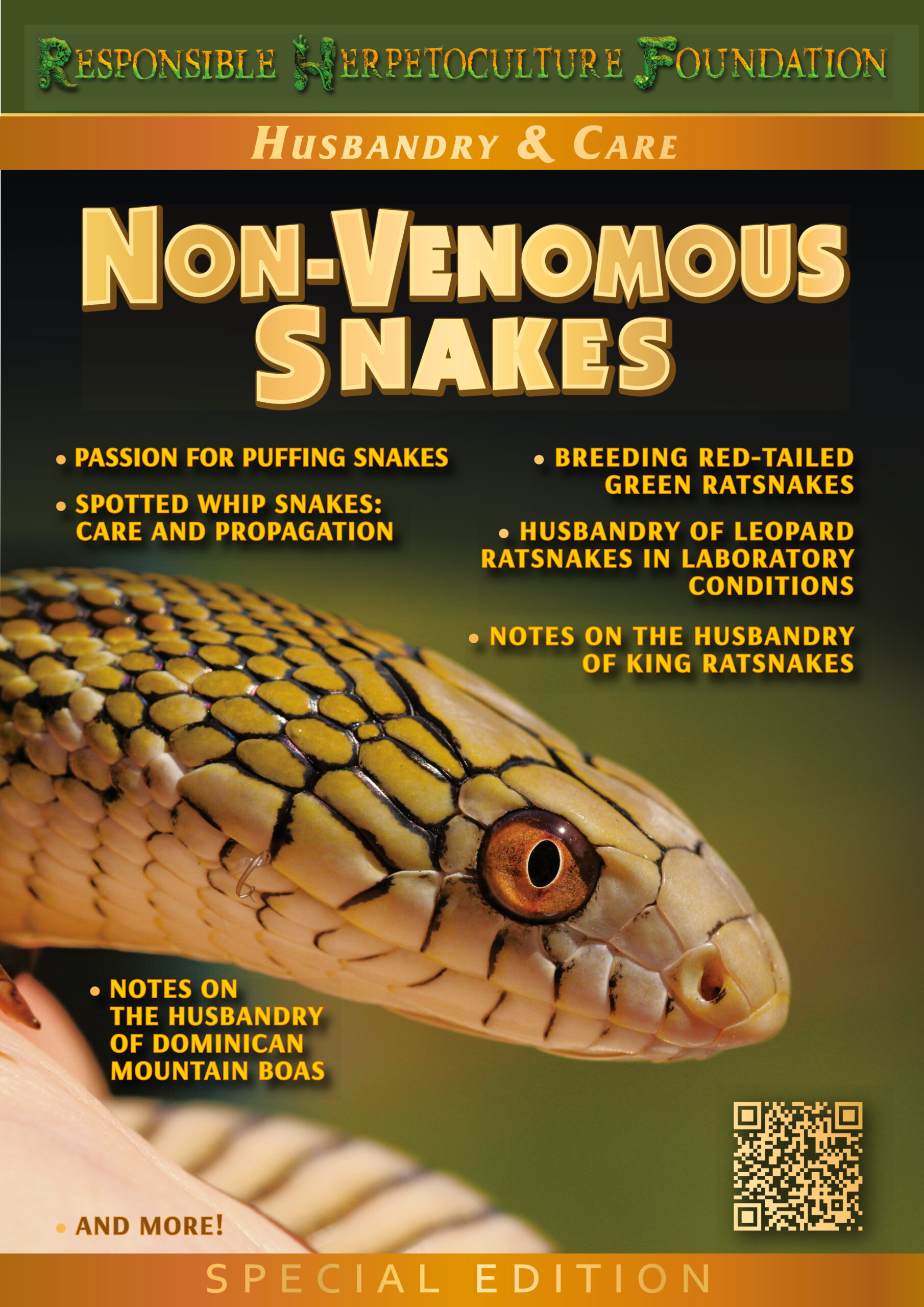
The RHF Library exists because that knowledge deserves better. It gathers every issue of the herpetoculture journal — all twenty-six volumes since March 2022 — alongside a growing collection of special editions covering specific taxa and topics in depth unavailable anywhere else in the field.
Unlike a back catalog, the RHF Library is built to be searchable and filterable. The issue you need surfaces in seconds, not after twenty minutes of scrolling through covers.
The Full RH Journal Archive
Every RH Journal issue since March 2022 — full color, formatted for both screen and print, downloadable as a PDF from the day of publication. New issues land in the library automatically on release day. If you are a member, it is already there. Twenty-six issues is more than four years of bi-monthly publication without interruption.


Built by the Editorial Board
A large archive is only as useful as the quality of its contents. Every publication in the RHF Library has been prepared or reviewed by the RHJ Editorial Board: practicing herpetologists, veterinary specialists, zoo curators, and senior keepers spanning eight countries across four continents.
This is not a collection assembled by a content team working from secondary sources. It is a body of knowledge produced by the same people who have spent their careers working with the animals it covers. The husbandry guide on Varanus was written by someone who has bred Varanus across multiple generations under documented conditions. The field report on the distribution of Triturus montandoni in the Ukrainian Carpathians was written by a researcher who was there in those forests in July. The veterinary case study on chelonian respiratory infections was written by a specialist who treated the animal in question.
That provenance is what makes the library a reference rather than a reading pile. The collection has grown continuously since March 2022, assembled by the RHF team in Kyiv — a fact that says as much about the people behind it as about the content itself. The depth of the library is a measure of how seriously the work has been taken and how long it has been sustained.